Discover how Mediterranean culture influences daily life in Puglia, with its local cuisine, centuries-old traditions, sunny climate, and authentic lifestyle that have made this region of southern Italy so famous.
Introduction: The Mediterranean soul of Puglia
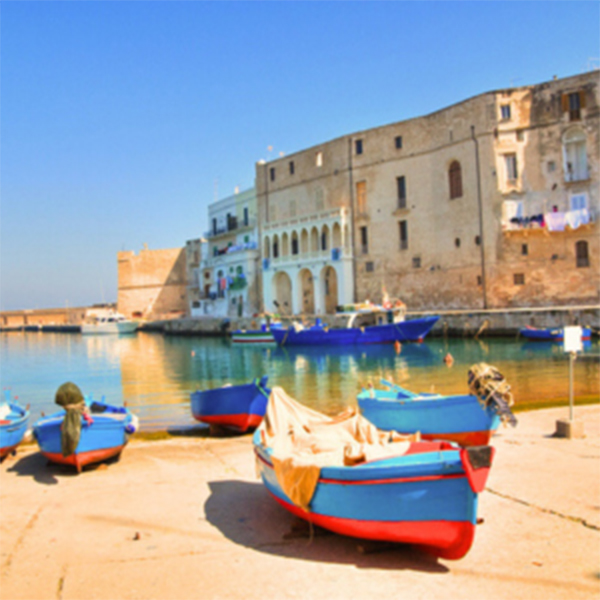
The sun is just rising over Polignano a Mare. Already, the fishermen are returning with their catch of the day, while the first rays of sunlight gild the limestone facades of centuries-old buildings. It is at this precise moment, between dusk and dawn, that Puglia reveals its purest Mediterranean essence.
Having lived in this region for nearly ten years, every day I discover the profound influence of Mediterranean culture on the local way of life. This southern part of Italy, bathed by the Adriatic Sea to the east and the Ionian Sea to the south, is more than just a picture postcard: it is a place where abundant nature, collective memory, and social ties set the pace for everyday life. Here’s what “living the Mediterranean way” in Puglia means in practical terms.
A region shaped by the Mediterranean climate
Traditional architecture: a thousand years of adaptation to the elements
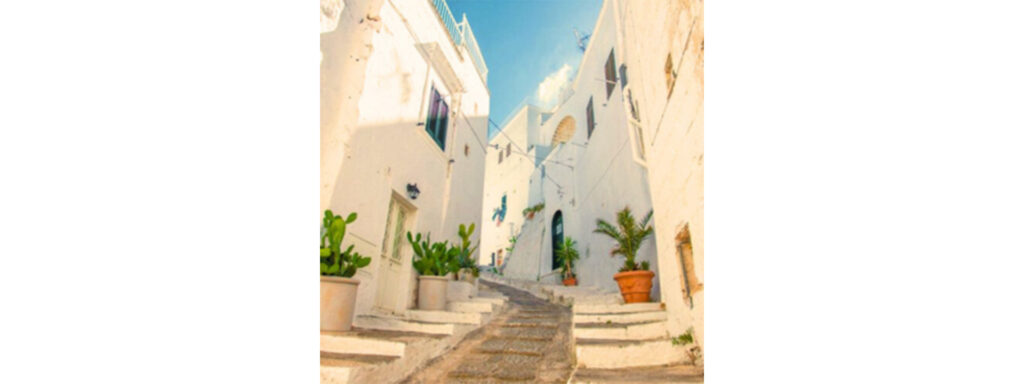
The villages of Puglia are designed to withstand the sun and wind: whitewashed houses, flat roofs to collect precious water, thick dry stone walls. Here, the climate has shaped architecture and daily life for centuries. The narrow streets of the historic centers are no architectural accident: they provide refreshing shade during the hot Mediterranean summer days.
The iconic white architecture of Puglia is not a recent aesthetic choice but the result of ancestral wisdom. Since Byzantine times, lime has been used for its antiseptic and reflective properties. Over the centuries, locals have perfected this technique in response to epidemics but also to the intensity of the Mediterranean sun.
The trulli of Alberobello, with their conical stone roofs, naturally stay cool in summer and warm in winter—a perfect example of bioclimatic architecture before its time. These unique constructions also bear witness to the ingenuity of the peasantry in the face of taxes imposed by the Kingdom of Naples: built without mortar, they could be quickly dismantled when the tax collectors approached.
Even working hours are adapted to the Mediterranean climate: lunch breaks often last from 1 p.m. to 5 p.m., allowing workers to avoid the hottest hours of the day. This ancestral wisdom is particularly relevant in light of the current climate challenges facing the Mediterranean basin.
Mediterranean cuisine in Puglia: frugal, flavorful, shared
Food from the land and sea
The iconic ingredients of Apulian cuisine? Locally grown seasonal vegetables, extra virgin olive oil pressed in century-old mills, wild herbs picked in the countryside, ancient grains such as Senatore Cappelli durum wheat, and fresh fish caught in the crystal-clear waters of the Adriatic and Ionian Seas.
In Puglia, people eat locally, seasonally, and with respect for the products. “Zero kilometer” is not a recent gastronomic trend: it is a deeply rooted cultural norm. This agricultural region is famous throughout Italy for its orecchiette pasta handmade by village women, its creamy burrata cheese from Andria, its exceptional olive oil, and its flavorful vegetables grown under the generous Mediterranean sun.
Unlike French cuisine, which often emphasizes technique and complexity, or Nordic cuisine, which explores innovation, Apulian cuisine celebrates ingredients in their most eloquent simplicity. A simple dish of orecchiette with rapa tops, prepared with freshly pressed olive oil, tells the story of a region better than any book.
A particularly revealing phenomenon is the omnipresent curiosity about the origin of food: during a dinner with friends, it is not uncommon for each guest to inquire about the origin of simple tomatoes or mozzarella with almost obsessive precision.

Living Mediterranean culinary traditions
Each season in Puglia has its culinary rituals: in summer, families and neighbors gather to prepare tomato preserves (passata di pomodoro), and in winter, Christmas pittule. These collective preparations are a true expression of Mediterranean culture.
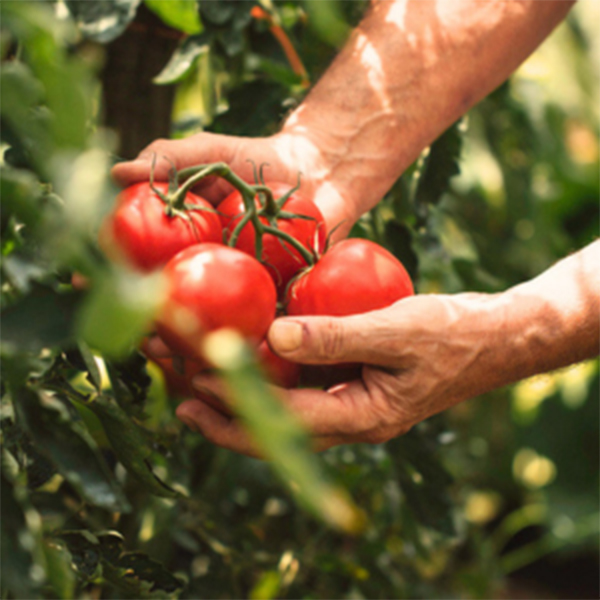
The preparation of passata di pomodoro in August is particularly emblematic: families and neighbors gather to transform entire crates of tomatoes into sauce that will feed everyone throughout the year. It is a collective effort that can last several days, during which conversations flow freely, family recipes are shared, and children learn by watching.
In December, the preparation of Christmas pastries such as cartellate (rose-shaped pastries dipped in cooked wine) or pettole (fritters) also brings communities together. These moments of culinary sharing are not simply domestic chores: they are at the heart of Puglia’s Mediterranean cultural identity and help to keep centuries-old traditions alive.
A Mediterranean culture of social ties and collective memory
The importance of oral tradition in Mediterranean culture
In Puglia, the local language, dialects, and proverbs are still very much alive in everyday life. History is not read, but listened to directly from the elders. The importance of this Mediterranean oral tradition is evident in all aspects of social life, including the most intimate moments such as birth.
This chain of oral transmission, sometimes stifling but always benevolent, illustrates how the Mediterranean culture of Puglia values lived experience and acquired wisdom more than theoretical information—an approach that contrasts sharply with more northern societies where written and professional expertise dominates.
The Mediterranean village, the beating heart of social life
Even in larger cities such as Lecce or Bari, people live in communities in the Mediterranean way. Neighbors are a source of support, confidants, and a resource in times of need. Lively public squares, traditional cafés, and colorful patron saint festivals are the pillars of a deeply Mediterranean collective lifestyle.
In the small villages of Puglia, gender segregation in public spaces still structures much of social life. Men, often of a certain age, gather on plastic chairs arranged in a circle in front of bars or in small squares. Wearing tank tops in hot weather, they discuss local or national news, play cards, or simply watch the world go by. Meanwhile, women chat in front of their open doors, keeping an eye on the dishes simmering on the stove or preparing vegetables.
This Mediterranean social organization, far from being merely picturesque, allows for collective supervision of children, sharing of important news, and maintains a dense social fabric that protects against isolation, particularly for the elderly—a model that could inspire our contemporary societies faced with increasing loneliness.

An intimate relationship with the elements of the Mediterranean: wind, sea, light
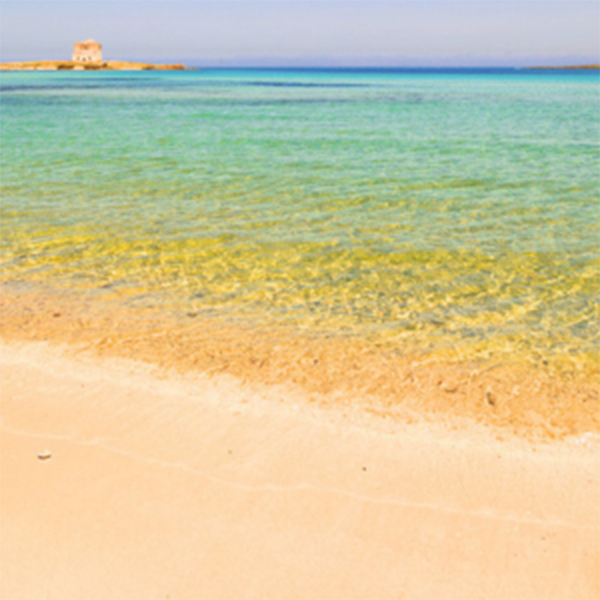
The wind (the sirocco from Africa or the tramontane from the north) often determines where people go swimming in Puglia. They change coastlines to avoid waves or excessive heat. The Mediterranean Sea is not just a tourist attraction: it is a living presence that influences everyday life. People watch it, listen to it, and respect it.
Daily choices guided by Mediterranean ingredients
- Gallipoli or Porto Cesareo on the Ionian coast when the tramontane wind blows
- Otranto or Torre dell’Orso on the Adriatic coast when the sirocco wind rises
The inhabitants of Puglia have an intuitive relationship with the Mediterranean climate, much like the fishermen and farmers of yesteryear. This knowledge is reflected in their daily choices: which beach to choose depending on the prevailing wind, when to harvest tomatoes before an impending storm, how to position laundry to dry so that it captures the scents of the Mediterranean Sea.
Everyday conversations invariably revolve around the wind. Residents complain about the hot, humid sirocco blowing in from Africa or the cool, strong tramontane blowing down from the north. In Puglia, the wind is not just a meteorological phenomenon: it is a character in its own right in the daily Mediterranean narrative.
A Mediterranean aesthetic of simplicity and texture
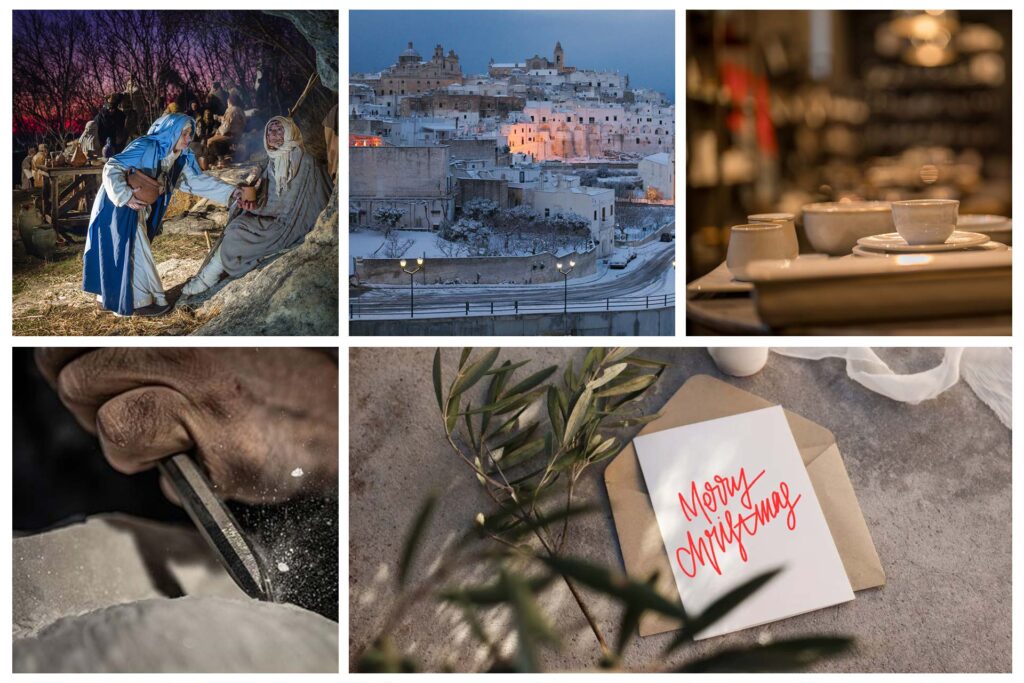
Golden Lecce stone, handmade papier-mâché, traditional wrought iron, locally woven raw textiles… In Puglia, Mediterranean beauty comes from the material itself, not from superfluous decoration. It is a humble and sunny Mediterranean aesthetic, influenced by centuries of climatic and economic constraints.
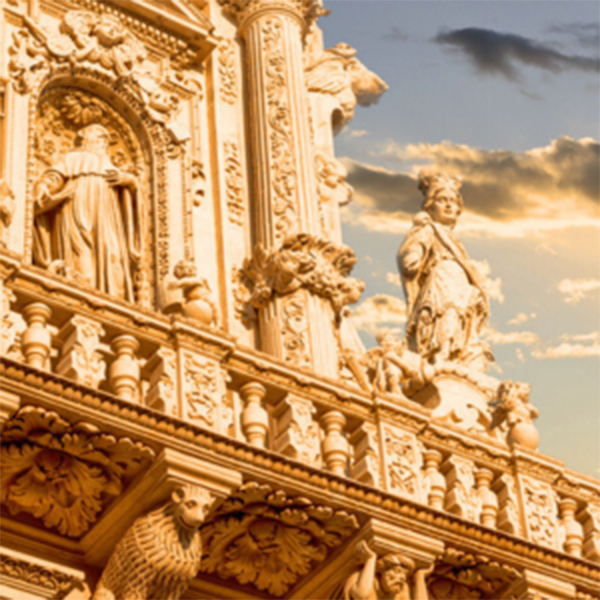
Lecce stone, a soft, golden limestone, is emblematic of this Mediterranean approach. Easy to carve but hardening over time, it gave rise to Leccese Baroque, a unique architectural style where stone appears as light as lace. In traditional Apulian homes, floors made of chianche (local stone slabs) or cementine (colored cement tiles) bring freshness and beauty without ostentation.
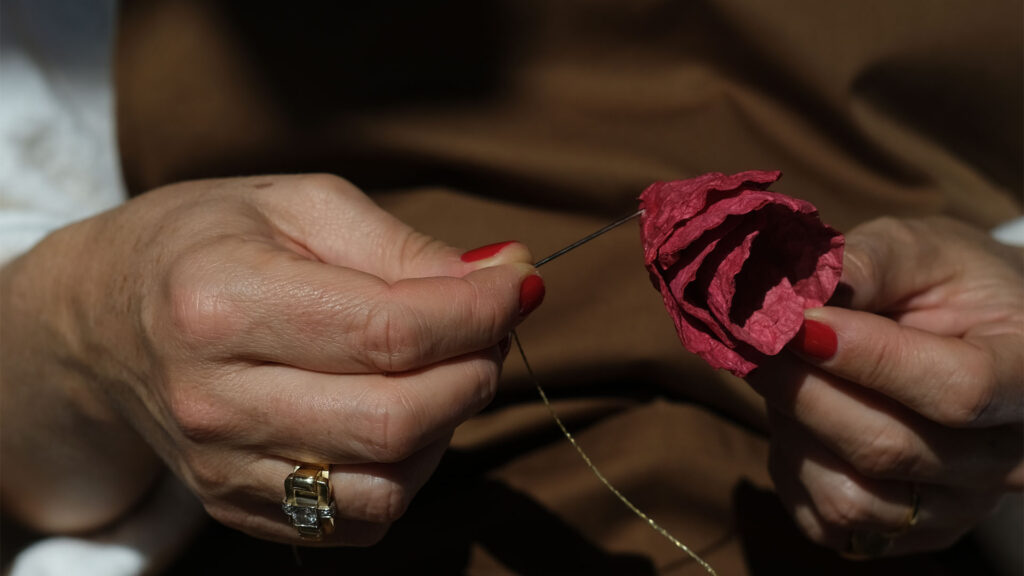
Local crafts also favor this authenticity of materials: ceramics from Grottaglie or Cutrofiano play on the natural colors of clay and glazes, while woven baskets made of wicker or palm leaves are used for both decoration and everyday use. Similarly, Lecce papier-mâché, originally developed as an economical alternative to stone carving for decorating churches, perfectly illustrates this Mediterranean creativity born of necessity.
This Mediterranean aesthetic is not the result of a stylistic choice but of a necessity transformed into a virtue: using locally available materials, working with them
A Mediterranean lifestyle based on slowness and adaptation
In Puglia, people take the time to live life to the fullest. They live in harmony with the Mediterranean climate and respect the natural cycles of the seasons. They don’t fight against the summer heat, they wisely embrace it. The Mediterranean lifestyle is an art of adaptation, resilient and sustainable, long before these concepts became buzzwords.
This Mediterranean approach is reflected in the concept of “productive slowness”: people work differently depending on the season, adapting their activities to external conditions. During the hottest hours of the Mediterranean summer, the region seems to come to a standstill, but this is only an illusion: life simply continues at a different pace, shifting to the cooler hours of early morning and late evening.
Far from being a sign of laziness, as certain stereotypes might suggest, this flexibility reveals a particularly valuable Mediterranean adaptive intelligence in a world of limited resources and changing climate.
Mediterranean culture facing modern challenges
While Puglia jealously guards its traditional Mediterranean way of life, it must now contend with new realities. Mass tourism is gradually transforming some coastal villages, altering their rhythm and sometimes their Mediterranean authenticity. In Polignano a Mare or Ostuni, the summer influx of visitors creates a seasonal economy that contrasts with the region’s traditional pace.
Climate change also represents a major challenge for this Mediterranean agricultural region. The centuries-old olive trees, pillars of the local identity, face more intense droughts and the threat of Xylella fastidiosa. Yet, it is perhaps in the face of adversity that the Mediterranean spirit of adaptation proves most valuable: farmers are rediscovering older, more resistant varieties and developing water-efficient irrigation techniques.
Between resistance and adaptation, Puglia is striving to preserve its Mediterranean soul while opening up to the world. Younger generations, often having left to study in the North or abroad, sometimes return with new ideas that they harmoniously integrate into local traditions, thus creating a contemporary Mediterranean culture, rooted but not static.
What does the Mediterranean lifestyle in Puglia look like in practice today?
Living in Puglia today means shopping at the market rather than the supermarket, choosing your beach depending on the wind, greeting your neighbors every morning, cooking with seasonal ingredients, and deliberately slowing down during the hottest hours of the day. This Mediterranean way of life, made up of simple gestures, oral traditions, and conviviality, still resists the pressures of hyperconnectivity. It is evolving, of course, but without abandoning its own rhythm.