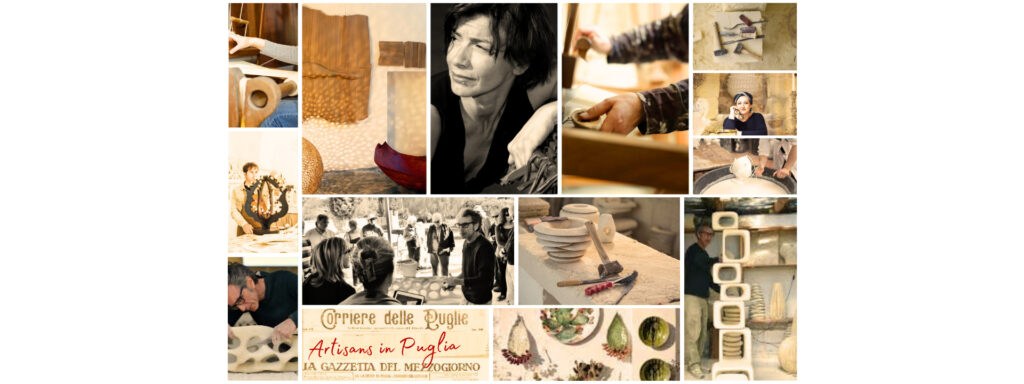
Artists and Artisans of Apulia: Keeping Traditions Alive
Discover our favorite artisans in Apulia. Men and women passionate about preserving centuries-old traditions, combining ancestral know-how with contemporary creativity to showcase their land.
An Ancestral Heritage: Lecce Papier-Mâché
The art of papier-mâché developed in Lecce in the 17th century to compensate for the lack of noble materials like marble or wood. Local artisans created this ingenious technique to craft religious sculptures that were lightweight, elegant, and accessible. Today, this craftsmanship is reinterpreted to produce modern and unique works of art.
Our favorite address:
Francesca Carallo’s Workshop – Francesca reimagines this tradition by creating delicate and poetic lighting fixtures.
Contact her in advance to visit the workshop or participate in small-group workshops.
Address: 23 Via delle Giravolte, Lecce
Website: http://www.francescacarallo.it

“Grottaglie Ceramics: Between Earth and Fire”
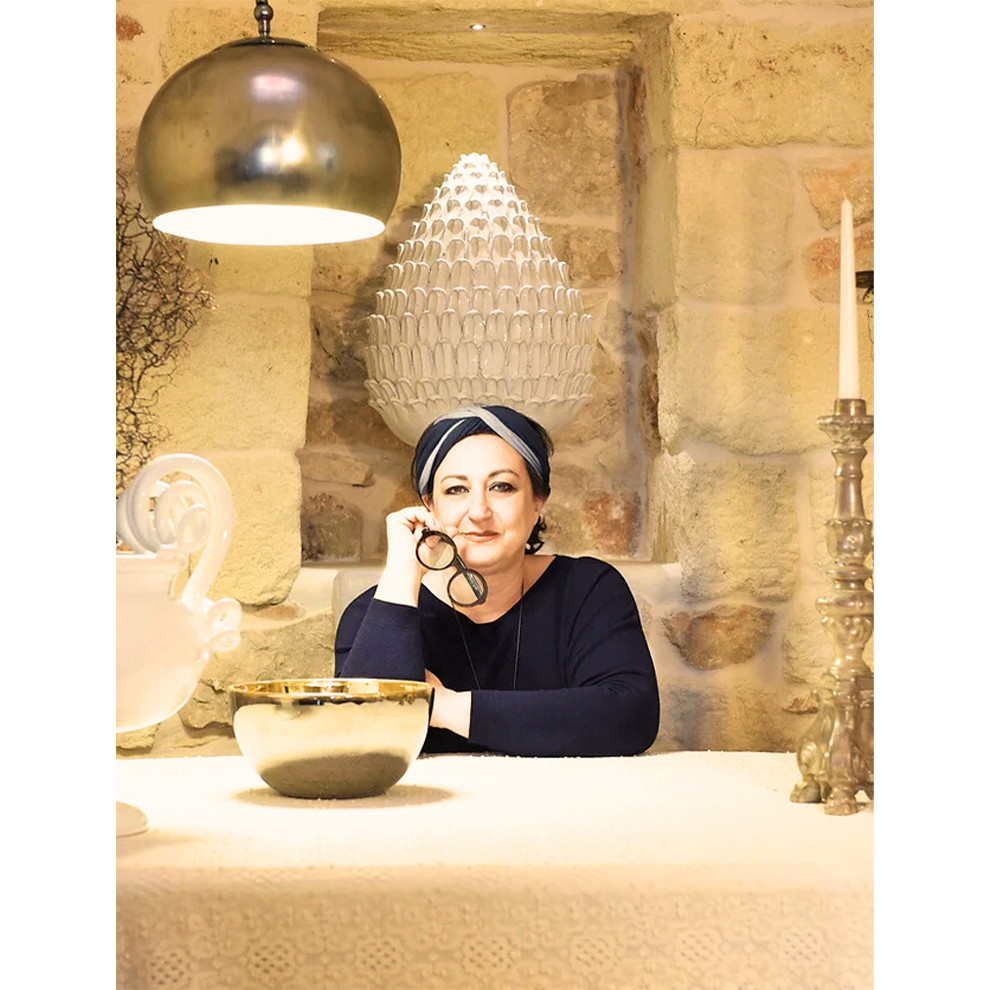
Grottaglie, nicknamed “the city of ceramics”, owes its fame to the abundance of clay in its soil and its climate, which is ideal for drying. Since the Middle Ages, this village has nurtured a thriving artisanal tradition, where clay is shaped to create both functional and decorative pieces, passed down from generation to generation.
Our favorite address:
Enza Fasano Ceramics – Enza’s creations combine elegance and originality.
Note: The shop is closed between 1 PM and 5 PM.
Address: 10 Via Crispi, Grottaglie
Website: https://www.enzafasano.it
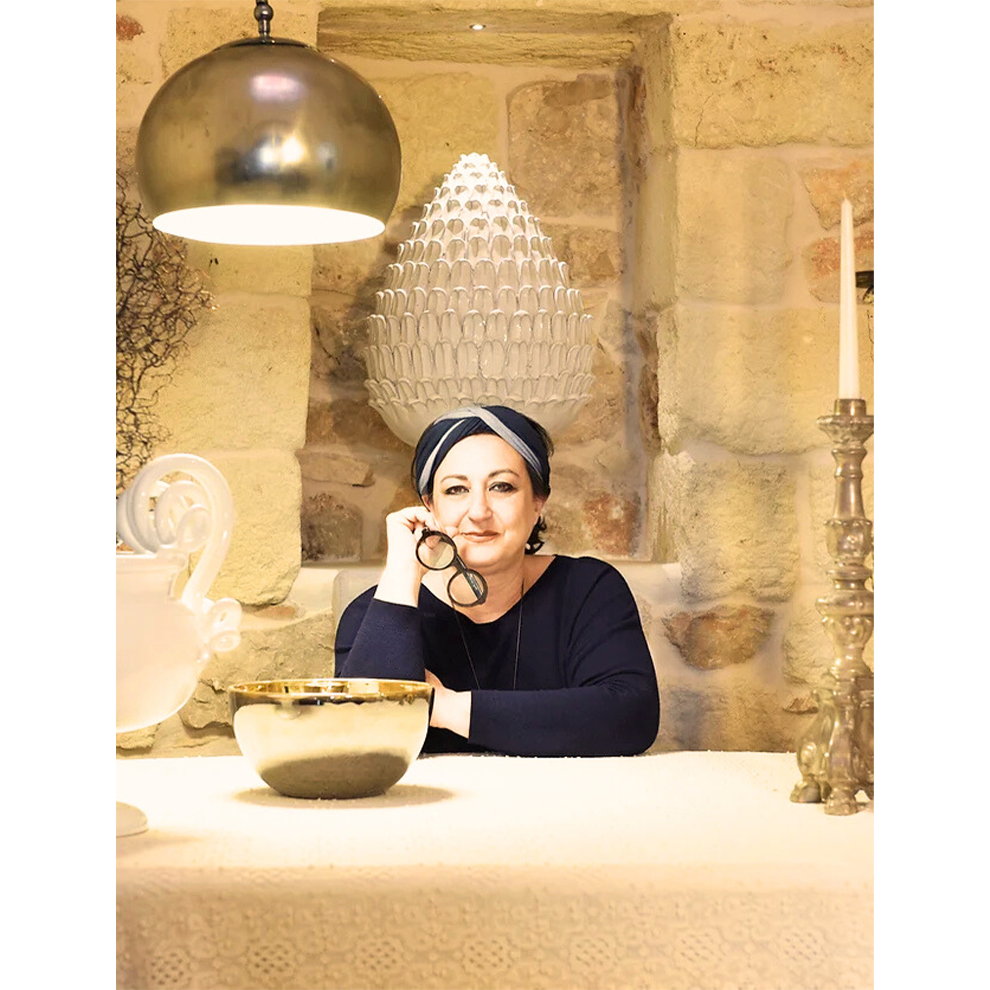
“Lecce Stone: A Unique Material in the Service of Craftsmanship”
Lecce stone, a soft and luminous limestone, has shaped the architectural identity of the region. Its ease of carving and abundance in the local soil led to its use as early as Roman times for building monuments and churches. During the Baroque period, it reached its peak with the refined sculptures that adorn the facades of buildings in Lecce and its surroundings. Today, this material remains a source of inspiration for contemporary artisans.
Our favorite address:
Renzo Buttazzo Workshop – Renzo transforms this stone into lighting, furniture, and minimalist sculptures.
Contact the workshop in advance to discover his process and participate in courses.
Address: Contrada Tangano, Cavallino
Website: https://www.renzobuttazzo.com

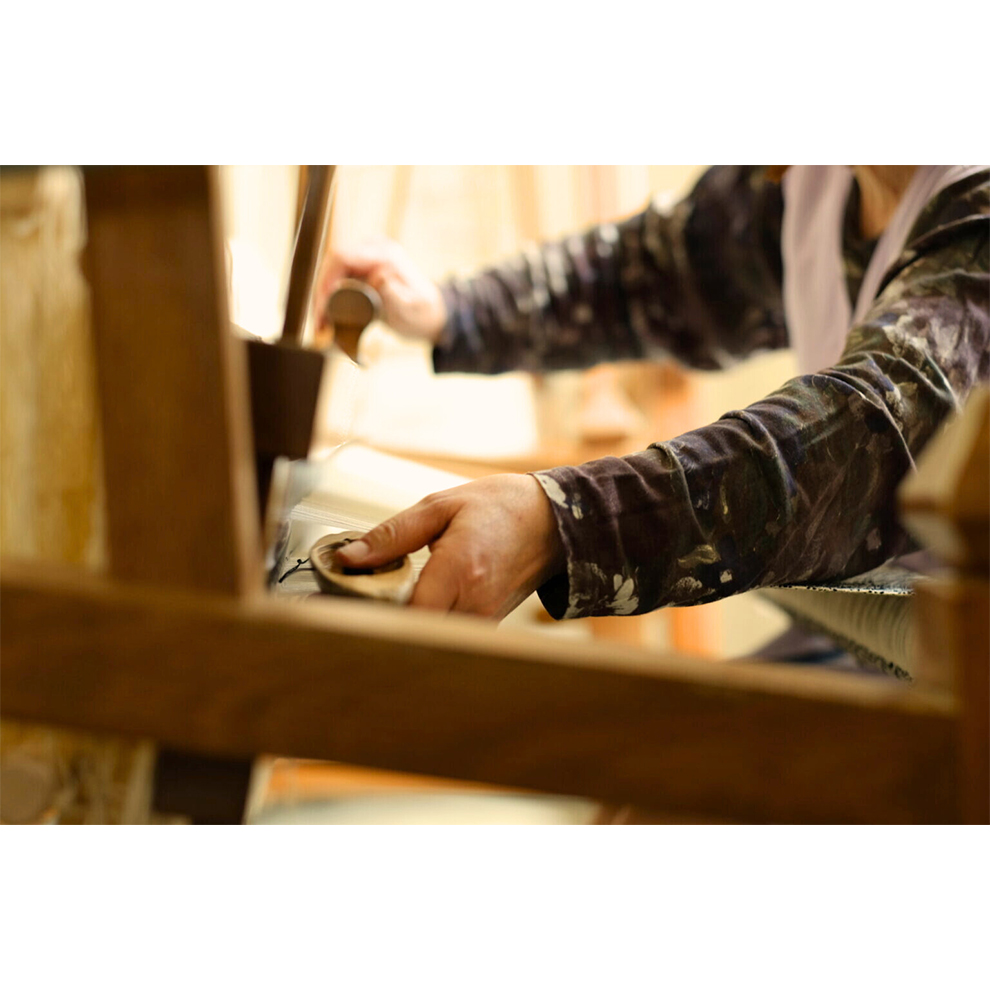
“Traditional Weaving: The Art of Elevating Thread”
Traditional weaving in Apulia dates back centuries, when rural communities produced textiles to meet their domestic needs. The abundance of natural fibers such as cotton, wool, and linen, combined with know-how passed down through generations, allowed this craft to thrive. What was once utilitarian has become a decorative art, showcasing patterns and techniques unique to the region.
Our favorite address:
Le Costantine – This foundation preserves traditional weaving while adapting it to the contemporary world.
Feel free to visit their workshop to explore the creations and interact with the artisans.
Address: Via Costantine 3, Casamassella (Otranto)
Website: http://www.lecostantine.eu
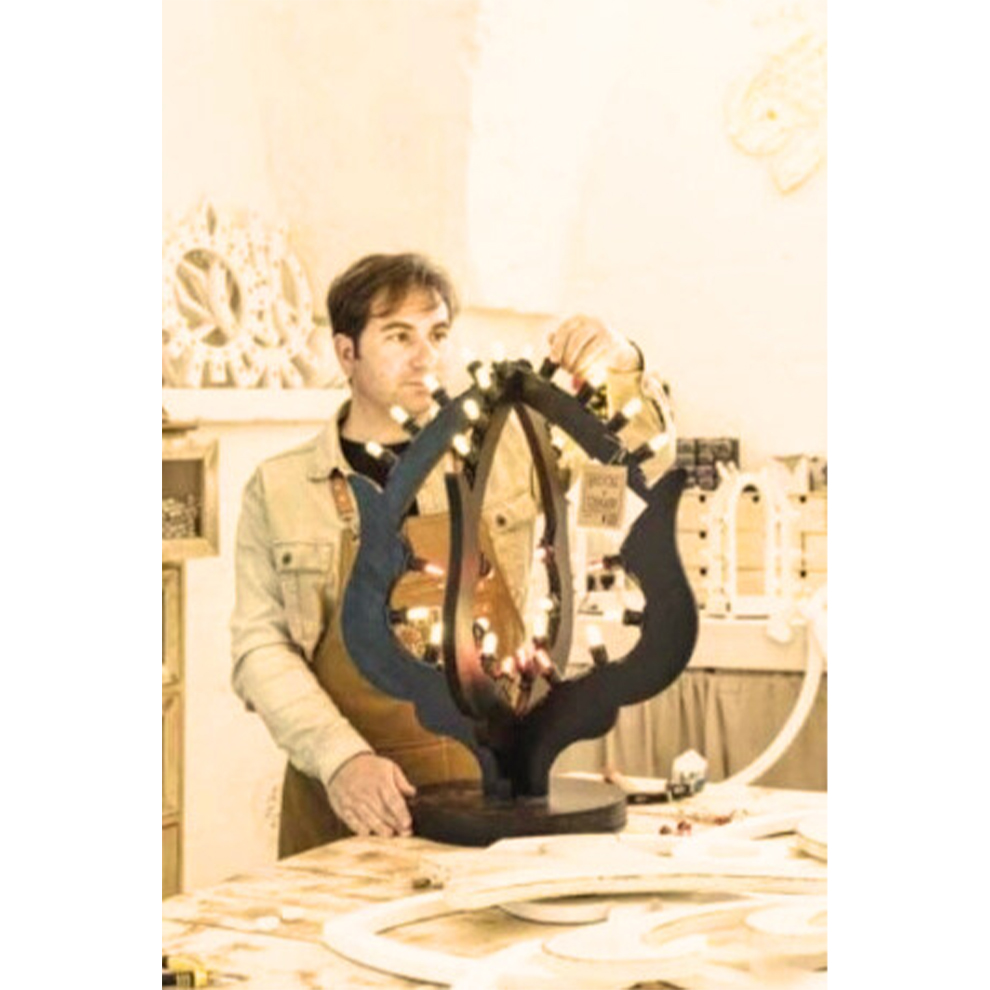
“Luminarie: The Luminous Art of Apulia”
The luminarie, luminous structures made of wood painted white and adorned with multicolored bulbs, are an iconic Apulian tradition. Created in the 17th century to celebrate patron saint festivals, they lit up villages and symbolized collective joy. Today, they are showcased worldwide, while local artisans reinterpret them to incorporate modern designs. Among the most notable places, Scorrano, nicknamed the “capital of luminarie,” offers an exceptional spectacle every July for the Feast of Saint Dominic.
Our favorite address:
Donato Potenza – A talented artisan who reinvents the luminarie with a modern touch.
Visit his shop and inquire about the courses he offers.
Address: Via Bianco, 197, 2015 Fasano (BR)
Website: https://www.luccioledipuglia.it
A Promising Future for Traditions
The artists and artisans of Apulia do more than preserve traditions: they reinvent them to keep them alive today.
Their creative approach skillfully blends past and future. For visitors, it’s a unique opportunity to discover authentic craftsmanship and take home a living fragment of this vibrant region.
During your stay, take the time to visit their workshops, engage with them, and, why not, participate in their courses.