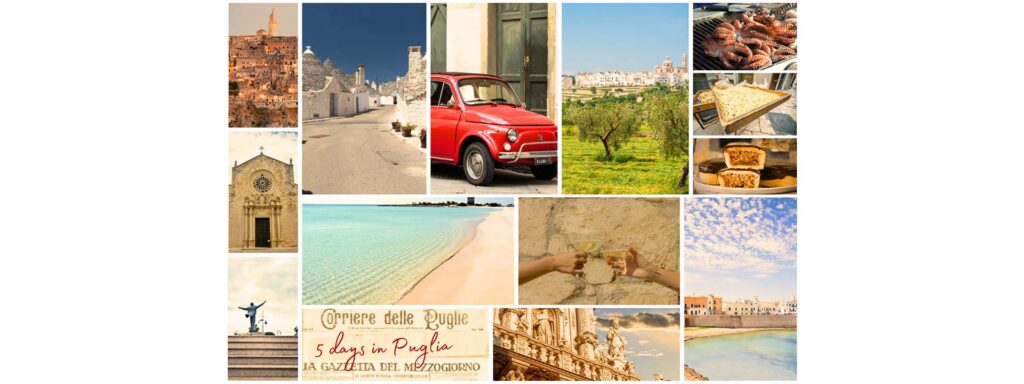
By visiting Puglia, in southern Italy, you will have the pleasure of discovering idyllic beaches, historic towns and authentic and delicious cuisine .
Here is an itinerary full of discoveries to optimize your time.
Day 1: Bari and Polignano a Mare
Morning: Visit to Bari, the capital of Puglia
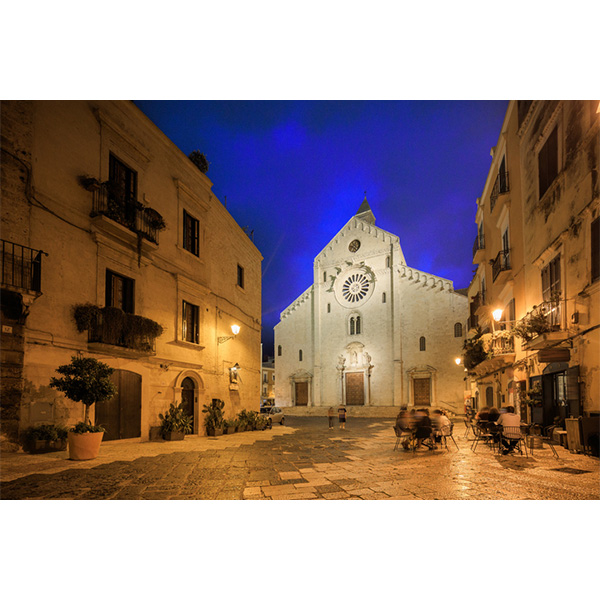
Begin your journey through Puglia by visiting Bari , the region’s capital. The port of Bari was once crucial for the Crusades and the pilgrimage to Saint Nicholas (sailors are said to have brought his relics back from Myra in Turkey). Visit the Basilica of San Nicola , dedicated to Saint Nicholas, located in the old town: Bari Vecchia . Did you know that in these medieval streets, women still make orecchiette by hand while chatting with passersby?
For a coffee or a pastry, stop by Piazza del Ferrarese before visiting the Castello Normanno-Svevo , an impressive castle testifying to the city’s rich medieval past.
Afternoon: Swimming and dinner in Polignano a Mare
After Bari, head towards Polignano a Mare , just a 30-minute drive away. This coastal village is perched on cliffs offering incredible views of the Adriatic Sea.
For a swim, head to the famous Lama Monachile beach (unfortunately, it gets very crowded in the summer), a sandy cove nestled between steep cliffs. In the evening, for a unique gastronomic experience, dine at a restaurant with a sea view, such as the renowned Grotta Palazzese . To enjoy a panino with grilled octopus, go to the small port, which transforms into a lively open-air café after dark.
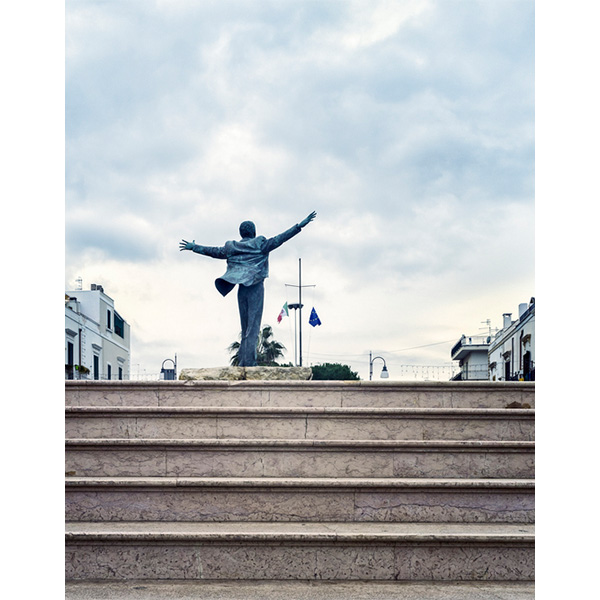
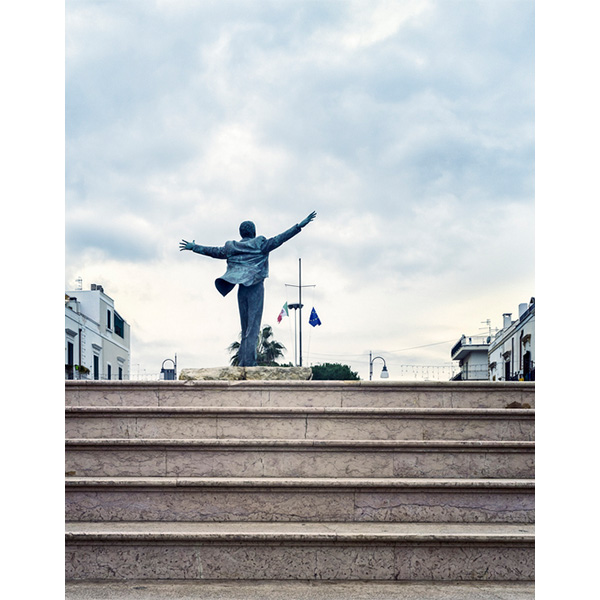
Also worth discovering is the statue of Domenico Modugno, author of the famous song “Volare,” which dominates the view from the seafront, as well as the contemporary art museum of Polignano a Mare , the Fondazione Museo Pino Pascali . Unexpected in this small coastal town, this museum pays homage to the local artist Pino Pascali and offers high-quality, often avant-garde, contemporary art exhibitions.
Day 2: Exploring the Itria Valley: Alberobello and Locorotondo
The Itria Valley , in the Apulia region, is known for its rolling landscapes dotted with trulli, olive groves, and vineyards. It is famous for its rural charm, its white villages like Locorotondo, and its unique architecture, especially the renowned trulli of Alberobello.
Morning: The Trulli of Alberobello
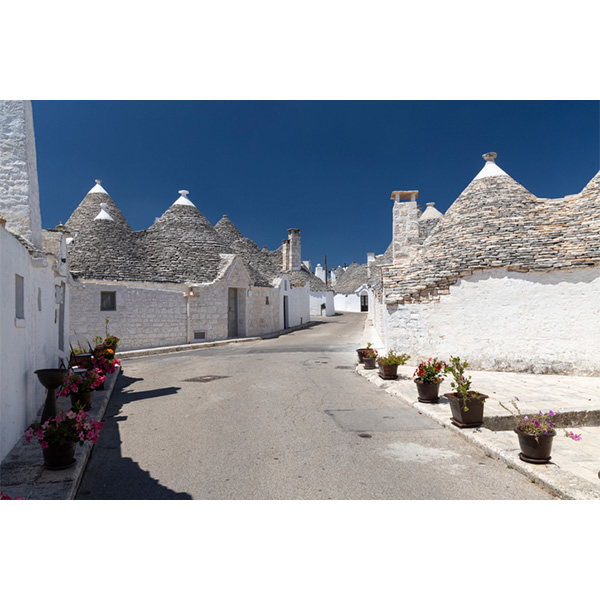
Begin your second day in Alberobello and its famous conical-roofed houses, a UNESCO World Heritage Site. The trulli are said to have been built to avoid taxes, as residents could quickly dismantle them during tax inspections. Don’t miss Trullo Sovrano , the largest and most impressive of them all.
Afternoon: Locorotondo, one of the most beautiful villages in Italy
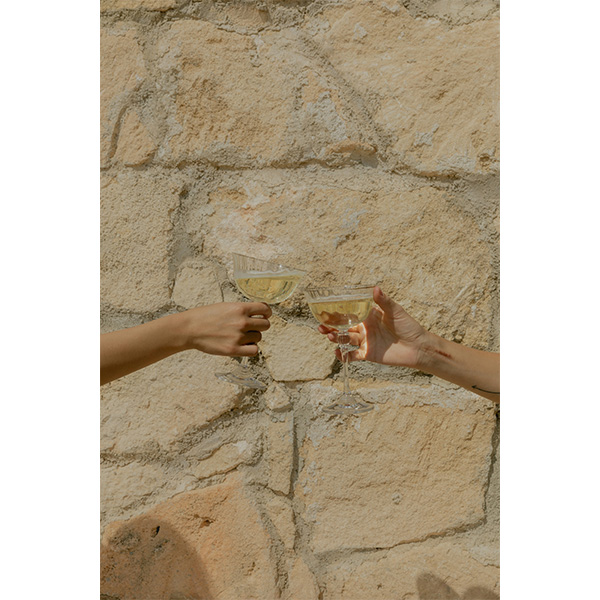
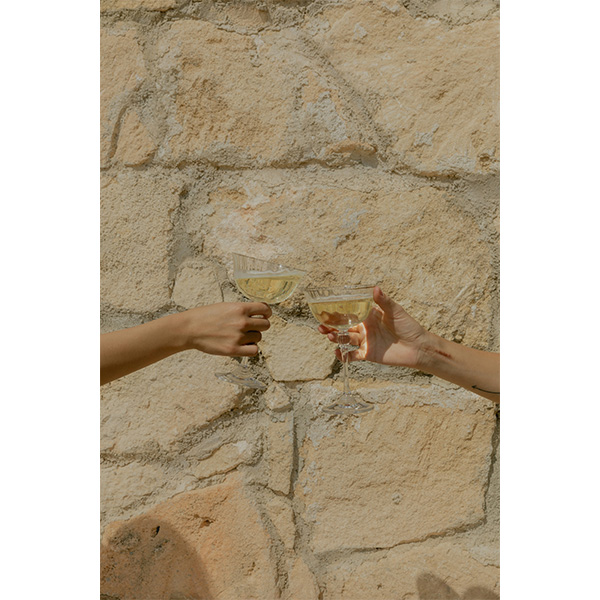
After Alberobello, take the road to Locorotondo , one of Italy’s most beautiful villages, just a 15-minute drive away. The name “Locorotondo” comes from the circular shape of its historic center, a fascinating architectural curiosity. Its whitewashed houses and panoramic views over the Itria Valley are not to be missed. Visit a local winery and sample regional wines, including the renowned Locorotondo DOC , primarily known for its white wines.
Day 3: Matera (Basilicata region)
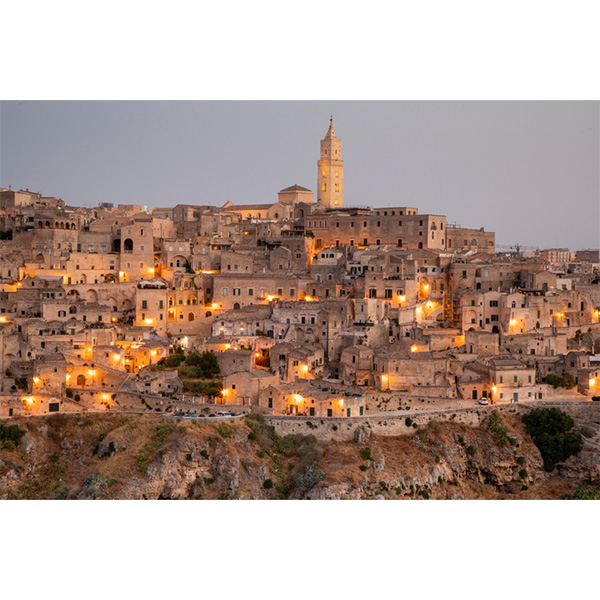
The city of Matera , located in Basilicata , is less than an hour’s drive from Bari and just over two hours from Lecce. It would be a shame not to visit it during your stay. Matera , also a UNESCO World Heritage Site, is famous for its Sassi , cave dwellings carved into the rock. Spend the day exploring the Sassi di Matera , visiting the rock-hewn churches , and discovering this unique city, which seems frozen in time.
Matera has undergone a remarkable transformation, going from being a national disgrace due to the precarious living conditions of its inhabitants to a model of rehabilitation. Today, the city is a UNESCO World Heritage Site and was named European Capital of Culture in 2019. However, with its rapid development in tourism, the city has lost some of its original authenticity and charm. Nevertheless, a night in a cave hotel remains an experience not to be missed.
Day 4: Lecce and the Ionian coast
Morning: Lecce, the baroque pearl of Puglia
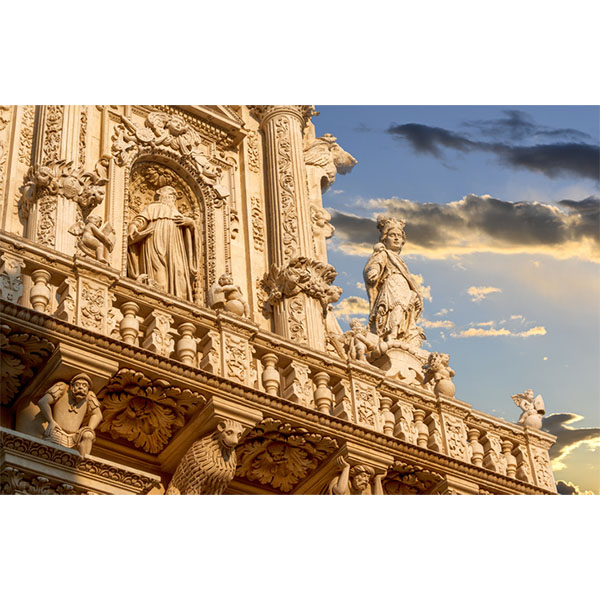
Head south to discover Lecce , the capital of Salento. In the 17th century, Lecce prospered thanks to the production and trade of olive oil, enriching the local aristocracy. This wealth financed the city’s Baroque transformation, making Lecce a major artistic center with magnificently decorated churches and palaces. Lecce’s soft and malleable limestone allowed artisans to carve intricate designs directly into the facades. Start with a stroll through the old town to admire the Baroque churches and monuments, including the Basilica of Santa Croce and the Piazza del Duomo . Don’t miss the Roman Theatre , a remnant of the imperial era. Lecce is also a great place to sample local specialties, such as pasticciotto (a small cream-filled pastry) or rustici leccesi (puff pastry filled with mozzarella and tomato sauce).
Afternoon: A dive in the crystal-clear waters of Porto Cesareo
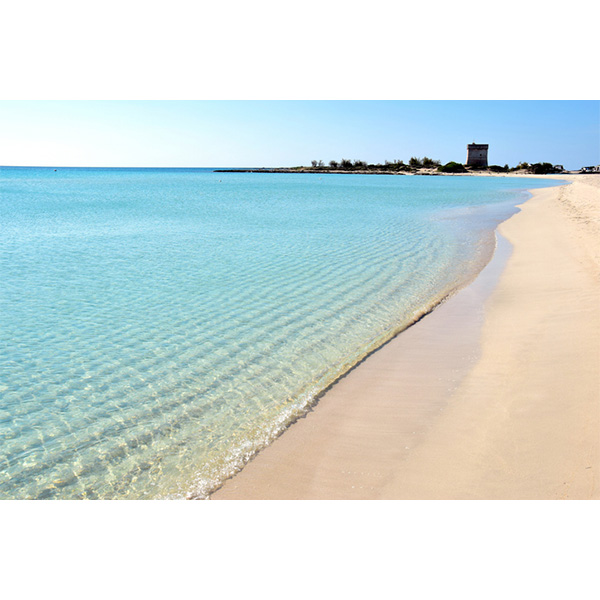
After exploring the charming streets of Lecce, head to the Ionian coast, just a 30-minute drive away, to relax on the idyllic beaches of Porto Cesareo . Its crystal-clear waters and fine sand make it the perfect place to soak up the sun or take a refreshing dip. If you’re a diving enthusiast, explore the underwater world of the protected area around Isola dei Conigli . Porto Cesareo is home to one of the largest marine protected areas in Italy.
Day 5: Gallipoli and Otranto
Morning: Gallipoli, “Kallí polis”: the beautiful city
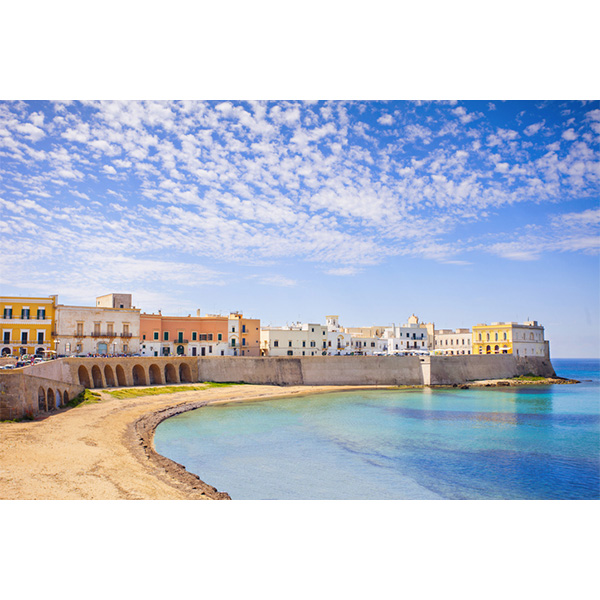
Begin your last day in Gallipoli , a charming fishing port on the Ionian Sea. Gallipoli was once a strategic center for the olive oil trade, a precious commodity exported throughout Europe. Stroll through the old town, located on an island connected to the mainland by a bridge, and visit the Cathedral of Sant’Agata . The Castello di Gallipoli , with its ramparts, offers stunning views of the sea. If you have time, stop at Baia Verde beach , known for its fine sand and crystal-clear waters.
Afternoon: Otranto, the gateway to the Orient
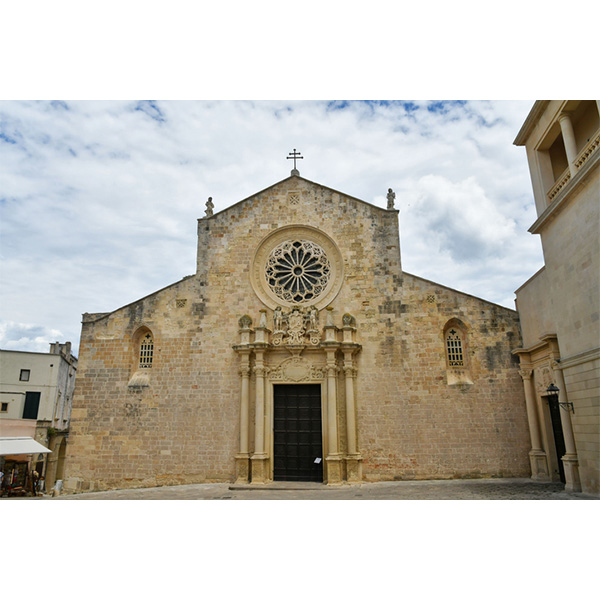
End your trip on a high note with a visit to Otranto , located on the Adriatic coast. Otranto is the easternmost city in Italy. On a clear day, you can even see the Albanian mountains. The medieval charm of this city, situated at the crossroads of Europe and the Orient, makes it an unmissable destination. Otranto was the site of a devastating Ottoman invasion in 1480. Discover the skulls during your visit to Otranto Cathedral , which boasts a stunning mosaic floor and a crypt with unique columns. If you have time, head to the Laghi Alimini for a final swim in a pristine natural setting.
The two port cities of Gallipoli and Otranto are located on opposite sides of the Salento peninsula (east and west) and are often compared. People say they prefer one or the other… So, which do you prefer, Gallipoli or Otranto ?
Tips for optimizing your route:
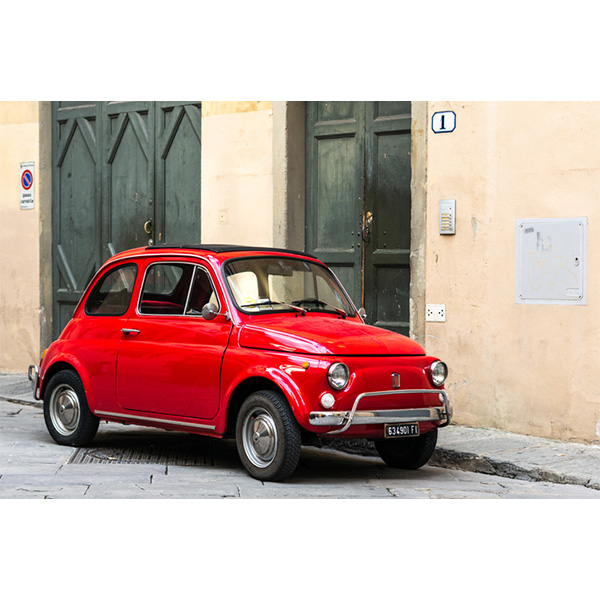
Transportation: Rent a car for more flexibility, especially if you want to explore places less accessible by public transport.
Accommodation: For an authentic experience, opt for masserie (old fortified farmhouses, some of which have been converted into hotels). In towns, stay in a period palazzo.
Gastronomy: Don’t miss out on tasting local specialties such as orecchiette (local pasta), taralli and friselle , not forgetting extra virgin olive oil, the true liquid gold of Puglia.
Conclusion
This 5-day itinerary in Puglia allows you to discover a wide variety of landscapes, stories, and flavors. From Bari to Otranto , passing through the trulli of Alberobello, the beaches of Porto Cesareo , and the historical wonders of Lecce and Matera, this trip will make you fall under the spell of this unique region of Italy. Puglia, with its rich cultural and natural heritage, offers an ideal holiday setting for nature lovers, history buffs, and foodies. These are, of course, the must-sees; come back for longer and more often to discover Puglia’s hidden gems as well.